24 Dec LPG
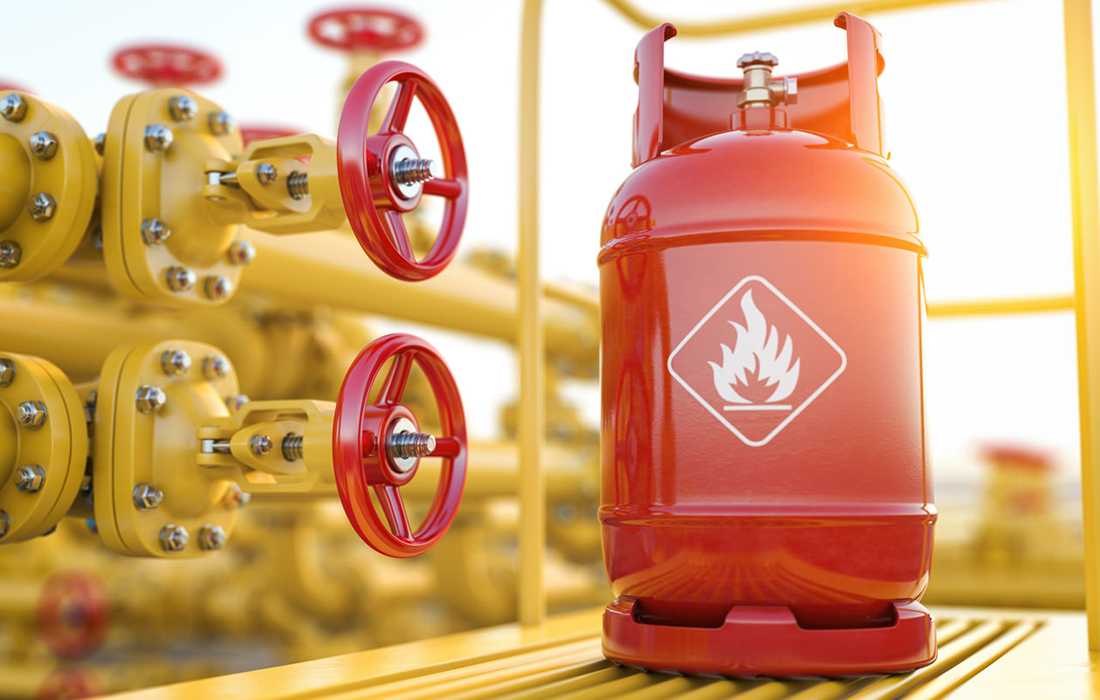
LPG stands for liquefied petroleum gas. It is a type of fuel consisting primarily of propane (C3H8) and butane (C4H10), which are hydrocarbon gases. LPG is commonly used as a fuel for heating, cooking, and various other applications.
Here are some key points about LPG:
Composition: LPG...
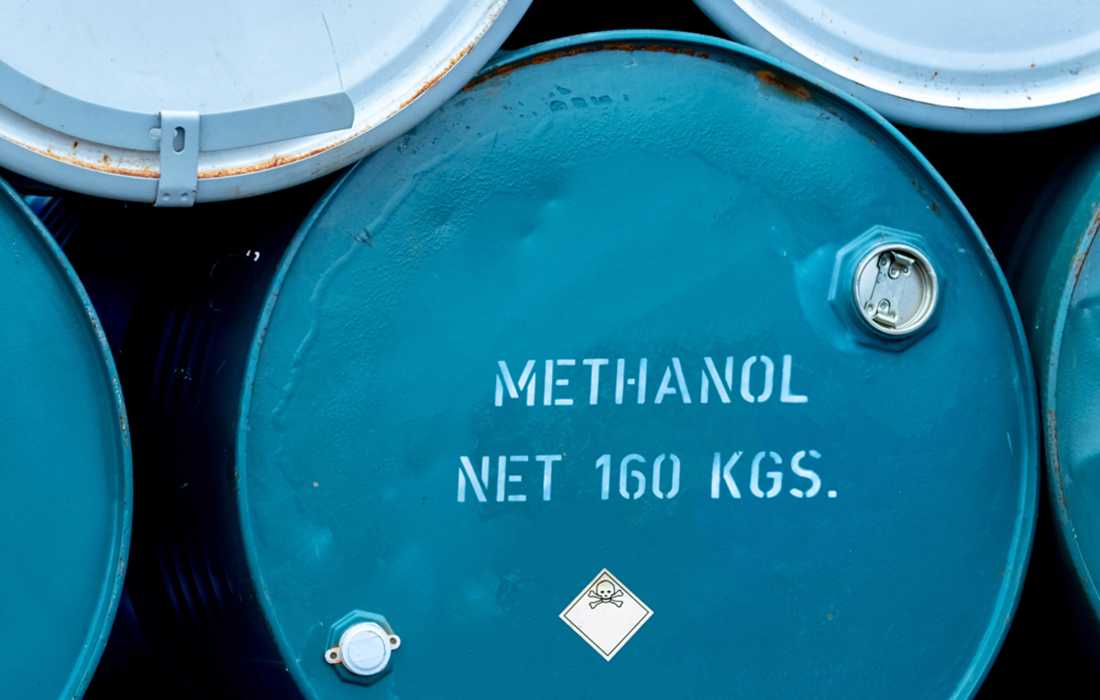
Methanol (CH3OH) is a colorless, volatile liquid that belongs to the alcohol family of organic compounds. It is the simplest alcohol, consisting of a methyl group (-CH3) bonded to a hydroxyl group (-OH).
Here are some key points about methanol:
Production: Methanol is primarily produced from natural...
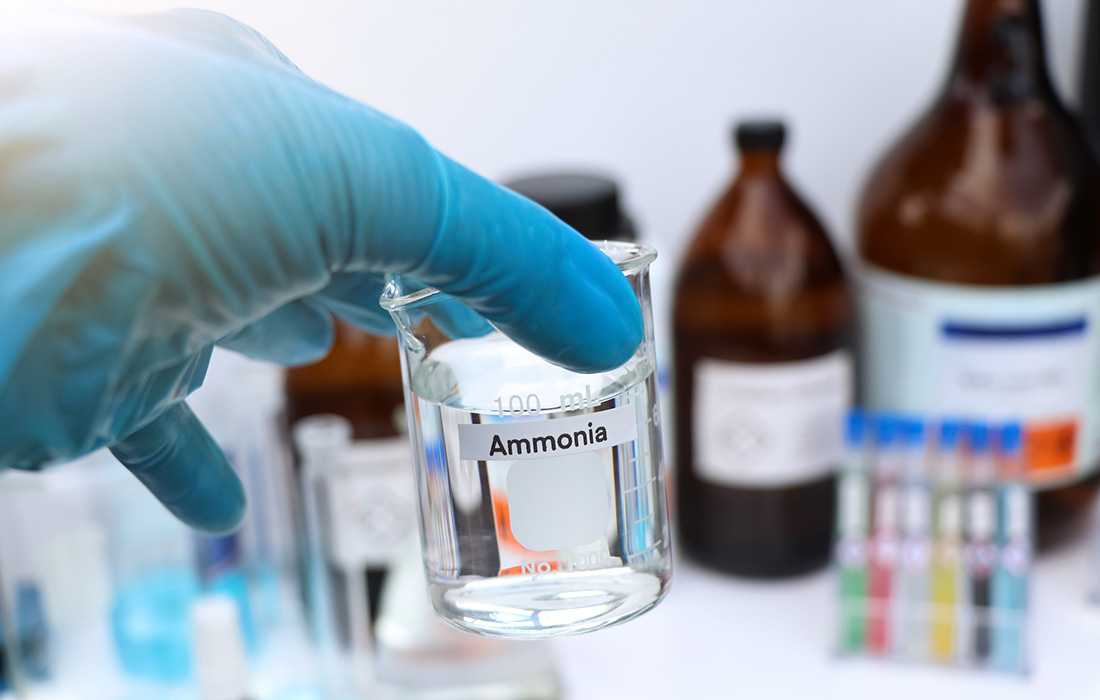
Ammonia (NH3) is a colorless, pungent gas composed of nitrogen and hydrogen. It is a compound that occurs naturally in the environment and is also produced through industrial processes.
Here are some key points about ammonia:
Production: Ammonia can be produced through the Haber-Bosch process, which involves...
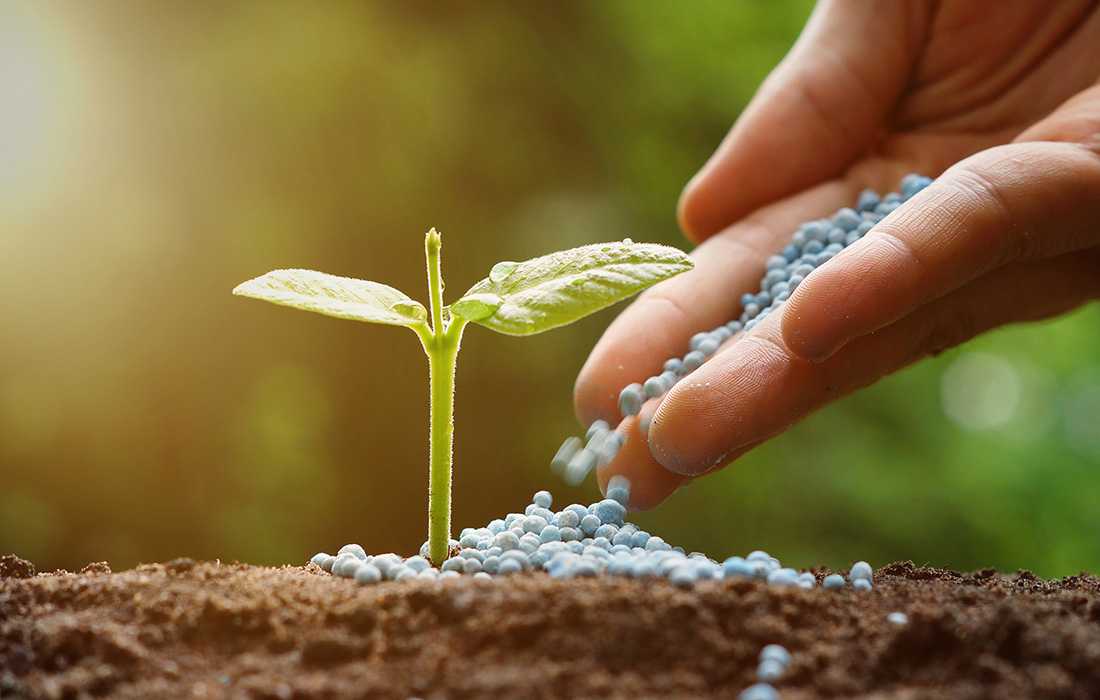
Fertilizer refers to any substance or mixture of substances that is applied to soil or plants to provide essential nutrients for plant growth and development. Fertilizers are used in agriculture, horticulture, and gardening to enhance soil fertility and increase crop yield.
Here are some key points...
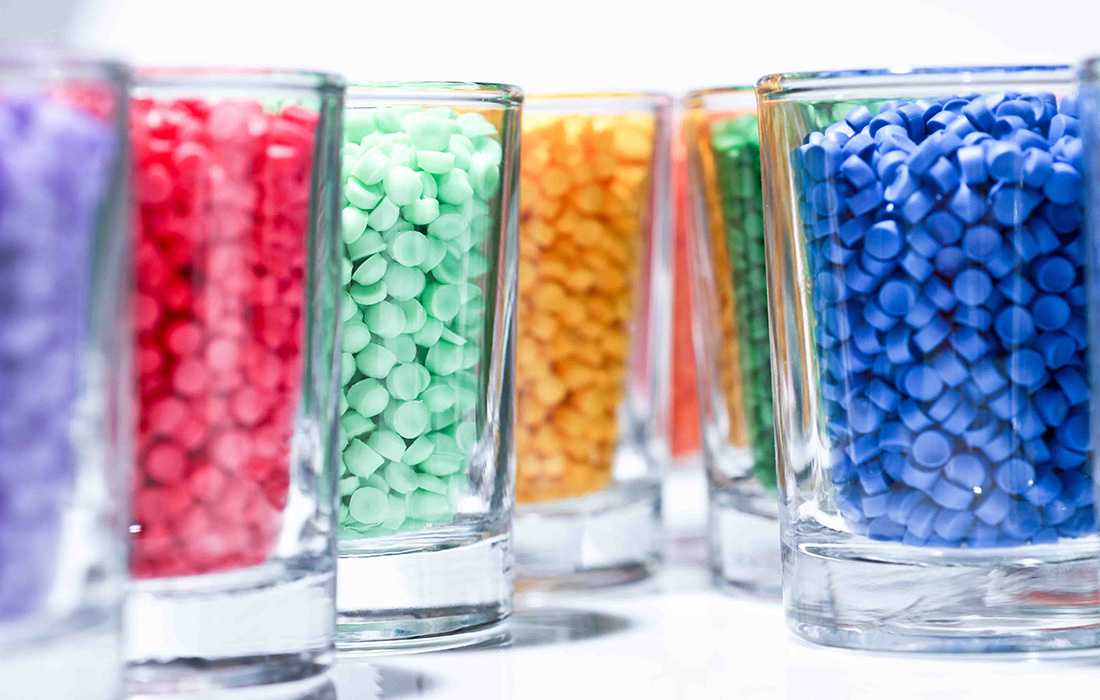
Polypropylene (PP) is a thermoplastic polymer that belongs to the polyolefin family. It is a versatile material with a wide range of applications due to its favorable combination of properties, including durability, chemical resistance, and low cost.
Here are some key points about polypropylene:
Structure: Polypropylene is...
24 Dec PVC
PVC stands for Polyvinyl Chloride. It is a synthetic polymer, a type of plastic, that is widely used in various applications due to its versatility and durability. PVC is produced through the polymerization of vinyl chloride monomers.
Here are some key points about PVC:
Properties: PVC is...